Downsizing and Upsizing
What should I sort out before downsizing from a Mount Olive home?
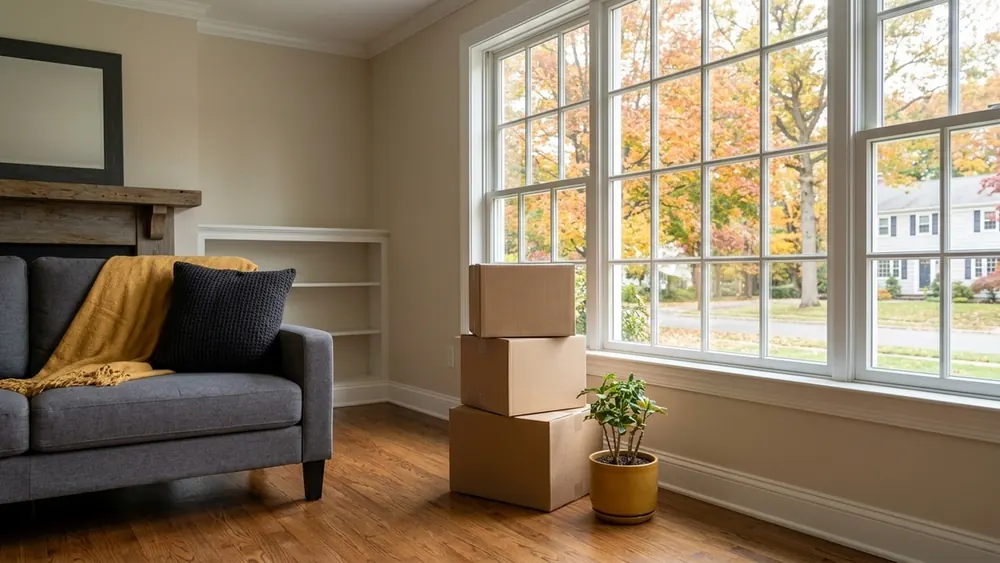
Before downsizing from a Mount Olive home, confirm where your current home sits and what it compares with, decide what the next home must hold, sort belongings early, and take financing, tax and legal questions to the right professionals.
On this page
The short answer before you downsize
Before downsizing from a Mount Olive home, sort out three things in order: what your current home is likely to be compared with, what the next home needs to hold, and how the sale and the purchase will line up. A comparative market analysis, which is a study of recent sales of homes similar to yours in size, age, lot, condition and section of the township, answers the first. Your own list and conversations with a lender and a New Jersey real estate attorney answer the other two.
This order matters because downsizing decisions often get made backward. It is easy to fall for a smaller home first and then try to make the figures on the current house fit. Starting with the house you already own gives you a clearer view of what you are working with. It also shows which preparation projects are worth doing and which are not, before you spend time or money on a home you are about to leave.
Downsizing is also more than fewer rooms. It can mean a smaller lot, less upkeep, a different layout or simply less space to furnish. What counts as the right size depends on how you actually use a home, not on a label. The sections below walk through what to sort out, in what order, and who answers each question, so each decision rests on information you can check rather than on a guess.
Start with where your current home sits
Your current home is the anchor for everything else, so begin there. Mount Olive Township includes Budd Lake, Flanders and an area with a Hackettstown mailing address, and buyers often search by those names. A home that has been owned for a long time may also have records, updates and quirks that a buyer will want explained. Before any pricing conversation, it helps to confirm a few basics about the property.
- The municipality on your tax record, which may differ from your mailing name
- Which updates were made to major systems and roughly when they happened
- Permits, warranties and repair records you can find or request copies of
- Features that set your home apart from similar homes in the same section
Decide what the next home has to hold
Before looking at a single listing, write down what the next home must do for you. Downsizing works when the smaller space fits how you live, not when it simply has fewer bedrooms. A short, honest list keeps the search focused and makes it easier to compare homes that look alike online but work very differently in person. These questions are a useful starting point for that list.
- Which rooms you use every week and which ones mostly hold stored things
- How much yard, driveway and exterior upkeep you want to keep doing yourself
- Whether having your main living space on one level matters to you
- How much storage you need once furniture and belongings have been sorted
- Which features you would give up for less space and which you would keep
Sorting belongings before the house is listed
A long-held home usually holds a lot. Sorting belongings early helps in two ways. It shows you how much space you really need in the next home, and it makes the current home easier for buyers to picture as theirs. Start with the rooms used least, such as a basement, attic or spare room, because those spaces tend to collect the most and are often where buyers look closely at storage and condition. Clearing those rooms first also gives you a realistic sense of how long the rest of the sorting will take.
Work in categories rather than rooms when you can: furniture that will fit the next home, items to pass along, items to sell or donate, and items to discard. Measuring the pieces you plan to keep helps, because a favorite sofa or dining table can decide whether a smaller layout works. If you are unsure what will fit, keep the measurements with your list of needs and bring both to every showing you attend.
Sorting also reveals the house underneath. Clearing a crowded basement or garage can expose a water stain, an old repair or a system that needs service. It helps to find those things now, while you have time to decide what to do, rather than during a buyer’s inspection. A licensed home inspector can look at the house before you list if you want an independent view of its condition before buyers see it.
Preparing a long-held home for buyers
Not every project pays off before a sale, and a long-held home can tempt you into a long list. A comparative market analysis helps here, too. When you can see which comparable homes sold with which updates, you can tell which projects bring your house closer to its comparisons and which are personal taste. Small repairs, fresh paint in worn rooms and clear, open spaces are often noticed before a late renovation chosen without that comparison. The comparison keeps the list short and tied to what buyers are actually weighing.
Think about the order of the work, too. Repairs that an inspector would likely flag, such as a dripping fixture or a loose railing, come first. Cosmetic work comes after, and only where the comparison suggests it changes how buyers see the home. Anything involving permits or township requirements is a question for Mount Olive Township offices before work begins. Keep receipts and notes for everything you do, because buyers and their inspectors will ask about recent work.
Before you pick the next home, let’s look closely at the one you have. Knowing where it sits and what it compares with makes every downsizing decision after that clearer.
Questions that belong with other professionals
Downsizing raises questions outside real estate, and each one has a right place to go. How a sale and a purchase can be financed together, including whether you would need to sell before you can buy, is a question for a lender. Questions about taxes on the sale of a long-held home belong with a tax professional. Contracts, deeds and closing steps belong with a New Jersey real estate attorney, and coverage for a changing or empty home belongs with an insurance agent.
Asking those questions early keeps surprises out of the plan. The answers can change what you list for, when you list and how you search for the next home. A real estate conversation can cover the comparisons, the preparation and how each section of Mount Olive is searched. It cannot replace the answers that come from a lender, an attorney or a tax professional, so write those questions down and schedule them alongside the pricing conversation rather than after it.
What to gather before a first conversation
You can make a first downsizing conversation more useful by bringing a few things. Write down your list of needs for the next home, with the rooms and features you will not give up. Note what has been updated in your current home and roughly when. Gather the tax record for your property so the municipality is clear, plus any permits, warranties and repair records you have found while sorting belongings. Even an incomplete set of records is useful, because it shows what still needs to be found.
Add the questions you have already taken to a lender, an attorney or a tax professional, along with any answers you have received. That way the real estate side can be planned around what you already know rather than around guesses. If you are still deciding whether to stay in Mount Olive or search more widely, note which parts of Morris County, Sussex County or Warren County you would consider, without settling on one yet.
When you are ready, bring that list to Debbie. You will look at your current home and the right comparisons together, and you will see how the pieces of the move connect before any decision is made. There is no obligation in starting with a conversation, and nothing is priced until it has been built from evidence. Which part of your current home do you most want to sort out first?
This article is general information about buying and selling homes in Mount Olive Township and northern New Jersey. It is not legal, tax, lending, appraisal or inspection advice and does not predict prices or promise results. Confirm taxes, schools and boundaries with Mount Olive Township and Morris County, contracts and closing with a New Jersey real estate attorney, loans and closing cost amounts with a licensed lender, and condition with a licensed home inspector. Debbie McIntosh, Weichert, Realtors.

Written by