Downsizing and Upsizing
Should I sell first or buy first when I’m moving up or down in size?
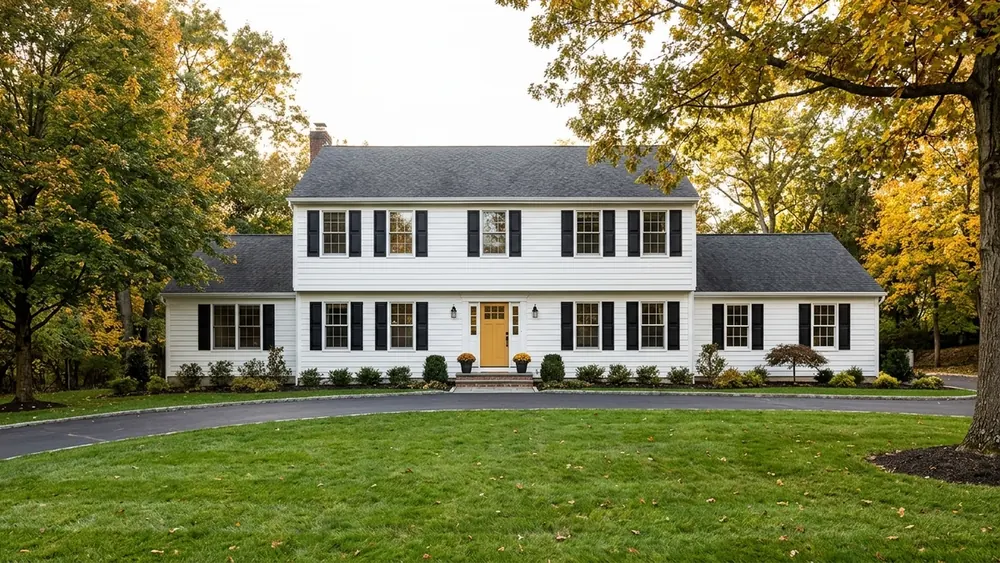
There is no single right order. Selling first gives you a clearer figure but may mean a temporary stay, while buying first allows one move but may mean carrying two homes. A comparative market analysis and a lender conversation shape the choice.
On this page
The short answer on sale and purchase order
There is no single right order. Selling first and buying first each trade one risk for another, and the right choice depends on your finances, your current home and how much flexibility you have. Selling first gives you a clearer figure to work with but can leave you needing somewhere to stay. Buying first lets you move once but can mean carrying two homes for a time. Whether you are moving up or down in size, the decision starts with your current home.
That is why a comparative market analysis comes early. It is a study of recent sales of homes similar to yours in size, age, lot, condition and section of the township, adjusted for each difference. For a Mount Olive home, it gives you a reasoned price range for the house you already own. Without that range, any plan to sell first or buy first rests on a guess about the one figure that shapes the rest of the move.
The other half of the answer comes from a lender. Whether you can buy before you sell, and on what terms, depends on your own financial picture, and only a lender can tell you what is possible for you. This article explains the trade-offs in plain terms and points you to the right person for each question. It does not recommend a financing product or predict how long either the sale or the purchase will take.
What selling first changes for you
Selling first means your current home goes on the market before you have a contract on the next one. The main advantage is clarity. Once your home is under contract, you have a much clearer figure to work with instead of an estimate, and you can search for the next home with that figure in hand. Some sellers also find it easier to prepare and show one home without a purchase already in motion.
The trade-off is timing. If your sale closes before you find the next home, you may need a place to stay in between, and possibly storage for belongings. That adds cost and a second move. Some sellers try to arrange the closing date, or a period of staying in the home after closing, so the gap is shorter. Whether that is possible, and how it would be written into a contract, is a question for a New Jersey real estate attorney.
Selling first can also change how you search. With a clear figure and a closing date ahead, you may feel pressure to choose quickly. A written list of needs helps keep the search steady. Decide in advance which features you will not give up and how widely you are willing to look, whether that means staying in Mount Olive or widening the search into other parts of Morris County, or into Sussex County or Warren County.
What buying first changes for you
Buying first means you find and contract on the next home before your current home sells. The main advantage is a single move. You can take your time moving belongings, prepare the old house once it is empty, and avoid a temporary stay in between. For some people, especially when moving up in size, being able to see the next home settled first makes the whole move easier to manage.
The trade-off is cost and exposure. Until your current home sells, you may be carrying two homes at once, with two sets of ongoing costs. How a purchase like that can be financed, and whether it is possible for you at all, is entirely a lender’s question. Ask a lender early, before you fall for a particular listing, so you know which path is open to you and what each one would ask of you.
Buying first also changes how your current home is listed. An empty home can be easier to show and prepare, but it still needs care, heat and regular checks. An insurance agent can tell you how coverage works for a home that is empty while it is for sale. The price conversation does not change, though. Your current home is still compared with similar homes in its own section, not with what you just agreed to pay for the next one.
Questions that shape the order you choose
Before choosing an order, it helps to answer a few questions honestly. They do not have a right answer. They simply show which risk you are more comfortable carrying, and which professional you need to talk to first. Write your answers down, because they will guide the conversations with a lender, an attorney and a real estate agent, and keep each of those conversations focused on your actual situation rather than a general rule.
- How much of the next purchase depends on the sale of your current home
- Whether you could manage a temporary stay and storage between the two homes
- How much preparation your current home needs before it is ready to list
- How flexible your plans are if the sale or the search takes longer than expected
If most of your answers point to needing the sale first, selling first is often the steadier path. If your answers show room to carry both homes for a while, and a lender confirms it, buying first may suit you. Many people land in between, with a plan to list and search in parallel and a contract that addresses the order of events. That middle path still needs an attorney’s input on how the terms are written.
Comparing the two paths side by side
The table below sets the two paths next to each other on the questions that tend to matter most. It is a planning aid, not a recommendation. Read across each row and note which column describes a risk you are more willing to live with. Then take the questions in the last row to the right person before you decide, because the answers depend on your own situation and not on a general rule.
| Question | Selling first | Buying first |
|---|---|---|
| What you know about money | A clearer figure from your own sale | An estimate until your current home sells |
| How many moves | Possibly two moves and a temporary stay | Usually one move into the next home |
| Ongoing costs | One home at a time | Possibly two homes at once for a while |
| Where the pressure falls | Searching against a set closing date | Selling while carrying the cost of two homes |
| Who to ask first | A New Jersey real estate attorney about timing terms | A lender about whether buying first is possible |
Notice that neither column is free of risk. Selling first shifts the pressure onto the search, and buying first shifts it onto the sale. Whichever you lean toward, the price of your current home is the figure that ties both columns together. A comparative market analysis will not decide the order for you, but it gives you a reasoned range to bring into every conversation named in the last row of the table.
How the direction of the move matters
Moving up in size and moving down in size can tilt the decision differently. When you move up, the next home may depend more heavily on what your current home sells for, which often points toward selling first, or at least knowing your range well. A lender can tell you how the figures fit together. When you move down, the next purchase may depend less on the sale, which can make buying first easier to consider, depending on your own finances.
In either direction, the local picture matters. Homes in Budd Lake, Flanders and the part of the township with a Hackettstown mailing address are searched by those names, so it helps to know which comparisons apply to your current home and which apply to the homes you are considering. Confirm the municipality on the tax record for each address with Mount Olive Township or Morris County, because a mailing name does not always match the municipality.
Preparing for a first planning conversation
You can make a first conversation about sale and purchase order more useful by gathering a few things beforehand. The goal is not to decide the order yet. It is to have the facts in one place so the trade-offs are clear and nothing important is left to memory. Bring what you know and note what you do not know, so each open question can go to the right person.
- Your written answers to the questions about timing, storage and ongoing costs
- Any guidance a lender has given you about buying before or after selling
- A list of updates to your current home and the records you have found
- Your needs for the next home, including the features you will not give up
When you are ready, bring that list to Debbie. You will look at your current home and the right comparisons together, and talk through how each order would work around Mount Olive before you commit to either one. There is no obligation in starting with a conversation, and no price is offered until it has been built from evidence. Which risk would you rather manage, a temporary stay or two homes at once?
This article is general information about buying and selling homes in Mount Olive Township and northern New Jersey. It is not legal, tax, lending, appraisal or inspection advice and does not predict prices or promise results. Confirm taxes, schools and boundaries with Mount Olive Township and Morris County, contracts and closing with a New Jersey real estate attorney, loans and closing cost amounts with a licensed lender, and condition with a licensed home inspector. Debbie McIntosh, Weichert, Realtors.

Written by