Buyers
Older home that needs work, or newer home that costs more?
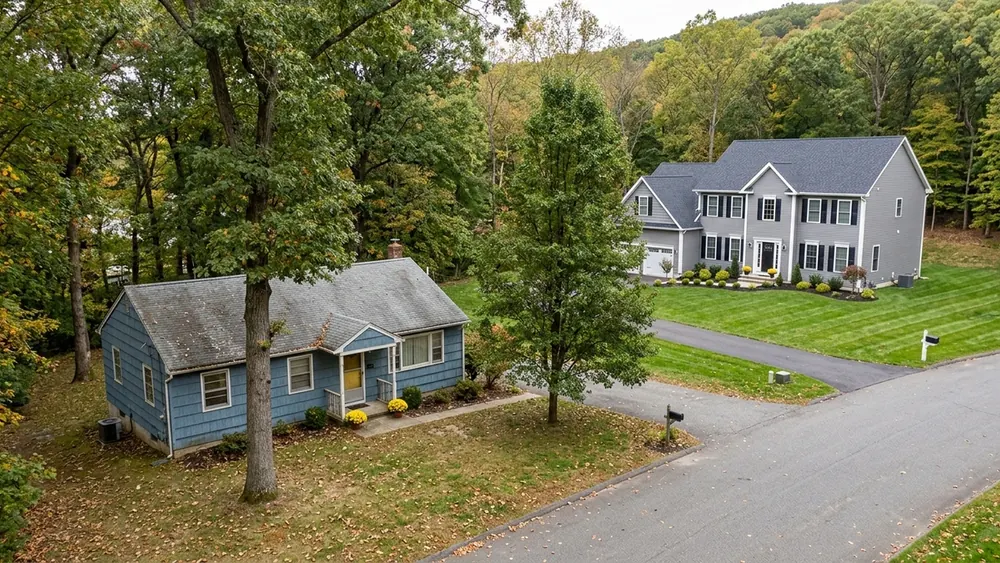
Neither choice is right for every first-time buyer. Compare the full cost of each home, including repairs and upkeep, against your cash after closing and your appetite for projects, then let an inspection and fair comparisons guide the decision.
On this page
There is no single right answer here
For a first-time buyer, neither an older home that needs work nor a newer home with a higher price is the right choice every time. A more useful question is which home fits your full budget, your cash after closing and your appetite for projects. Compare the total cost of each option, not just the asking price, and let a home inspection and fair comparisons shape the decision.
This matters because the asking price only tells part of the story. An older home may need repairs soon after you move in. A newer home may ask more up front and less later, or it may come with its own upkeep, such as a larger lot. Seeing both sides clearly helps you avoid a choice that looks good on paper and strains you later. Both options can work well for the right buyer.
This article walks through how to compare the two, what to look at in each, and who can answer the questions that come up. It does not tell you which home to buy, predict what any home will be worth later, or give financing or inspection rules. Those questions belong to a licensed lender, a licensed home inspector and a New Jersey real estate attorney.
Compare the full cost, not just the price
Start by writing down what each home would really cost you. For an older home, that means the price plus the repairs or updates you expect, and when they might be needed. For a newer home, that means the price plus any added upkeep, such as caring for a larger lot. Placing both totals side by side changes the conversation from price to value.
Then think about timing and cash. Repairs often need money after closing, when savings may already be stretched by the down payment and closing costs. A licensed lender can explain how your loan and your cash fit together. A contractor can give you a sense of what a repair involves. Your job is to bring both answers back to the same page and compare them.
I always suggest putting both homes on one page: the price, the work each one needs, and the cash you will have left. The right choice usually becomes clearer from there.
What to look at in an older home
With an older home, look closely at systems, updates and layout. Ask when major systems were last replaced or serviced, and whether there are records for the work. An older split-level, for example, may have a layout you love or one you would want to change. Either way, knowing what has been done and what has not is the start of a fair comparison.
Records make a real difference. A seller who has kept receipts, permits and notes on past work gives you a clearer picture of what you are buying. If records are missing, that is not necessarily a problem, but it is a question to ask. Mount Olive Township offices can tell you what records exist for an address, and an attorney can explain what they mean.
Plan a home inspection, and treat the report as a guide to priorities rather than a verdict. Some findings matter now, some can wait, and some are routine for any house. Ask the licensed home inspector which items are most pressing and which are typical upkeep. That conversation will help you estimate the real cost of the work, which is the number that matters most here.
What to look at in a newer home
With a newer home on a larger lot, think about lot upkeep and what is still under any warranty. A larger lot can mean more time or money spent on care through the seasons. Ask what any warranty covers, how long it runs and whether it carries over to a new owner. Keep the answers in writing, along with who gave them to you.
A newer home still deserves an inspection. Newer does not mean flawless, and a report can show you items to address before they grow. It also helps to ask what the price includes and what it does not, such as finishes, appliances or work outside. Those answers help you compare the newer home fairly against the older one, line by line.
Questions to settle before you choose
Before you lean toward either home, settle a few questions about yourself. These have nothing to do with the houses and everything to do with how you want to live in one. Honest answers here will often decide the choice faster than any listing detail. Write them down, and come back to them each time a new home catches your eye. Your answers may also change as you see more homes.
- How much cash you want left over after closing for repairs
- How much time and patience you have for projects after moving in
- Which repairs you would handle yourself and which you would hire out
- How much yard and exterior upkeep you are willing to take on
There are no wrong answers to these questions. A buyer who enjoys projects and has cash set aside may see an older home as an opportunity. A buyer who wants to settle in without a list of repairs may prefer to put more toward the purchase. Knowing which buyer you are keeps you from chasing a home that does not fit your life.
Who helps you weigh each side
Each side of this choice raises questions that belong with a specific person. The table below matches the common ones with the right source. One row refers to a comparative market analysis, which compares similar homes by size, age, lot, condition and section of the township. It is how you can judge whether an asking price makes sense for the home in front of you.
| Question | Why it matters | Who to ask |
|---|---|---|
| What condition are the major systems in? | Repairs change the true cost of the home | A licensed home inspector |
| How do repairs fit with my loan and cash? | Cash after closing can be limited | A licensed lender |
| What records exist for past work? | Records show what was done and when | Mount Olive Township offices and the seller |
| What does a warranty or contract cover? | Coverage affects upkeep costs on a newer home | A New Jersey real estate attorney |
| Is the asking price in line with similar homes? | Keeps you from overpaying for either option | Debbie, through a comparative market analysis |
The table is a starting list, not a complete one. Your home may raise its own questions, and some rows may not apply. The habit to build is simple: for every question, decide who is qualified to answer it before you rely on the answer. An insurance agent, for instance, can also tell you how the age of a house affects a quote.
How fair comparisons keep the trade-off honest
Comparing an older home with a newer one directly can mislead you, because they are different kinds of homes. A fairer approach is to compare each one with homes like it. An older home in Budd Lake is more fairly judged against similar older homes in the same section, and a newer home in Flanders against similar newer homes there, by size, age, lot and condition.
A township average blends very different homes, so it says little about either option. That is why a comparative market analysis is useful in this decision. It can show whether the older home’s price already reflects the work it needs, and whether the newer home’s price lines up with similar homes. Neither result is a prediction. It is simply clearer information for your choice.
Your next step before deciding
Before a first conversation, gather what you have on each home you are weighing: the listing, any inspection notes, records of updates and your own list of must-haves. Add a rough note of the cash you expect to have after closing. It does not need to be complete. The aim is to see both options on one page, with the open questions clearly marked.
If you would like help comparing an older home and a newer one around Mount Olive, you are welcome to bring that page to Debbie McIntosh. You do not need to have decided anything yet. Looking at your list, which matters more to you right now: a lower price with work ahead, or a higher price with less to do?
This article is general information about buying and selling homes in Mount Olive Township and northern New Jersey. It is not legal, tax, lending, appraisal or inspection advice and does not predict prices or promise results. Confirm taxes, schools and boundaries with Mount Olive Township and Morris County, contracts and closing with a New Jersey real estate attorney, loans and closing cost amounts with a licensed lender, and condition with a licensed home inspector. Debbie McIntosh, Weichert, Realtors.

Written by