Home Sellers
What should I fix before listing an older split-level in Morris County?
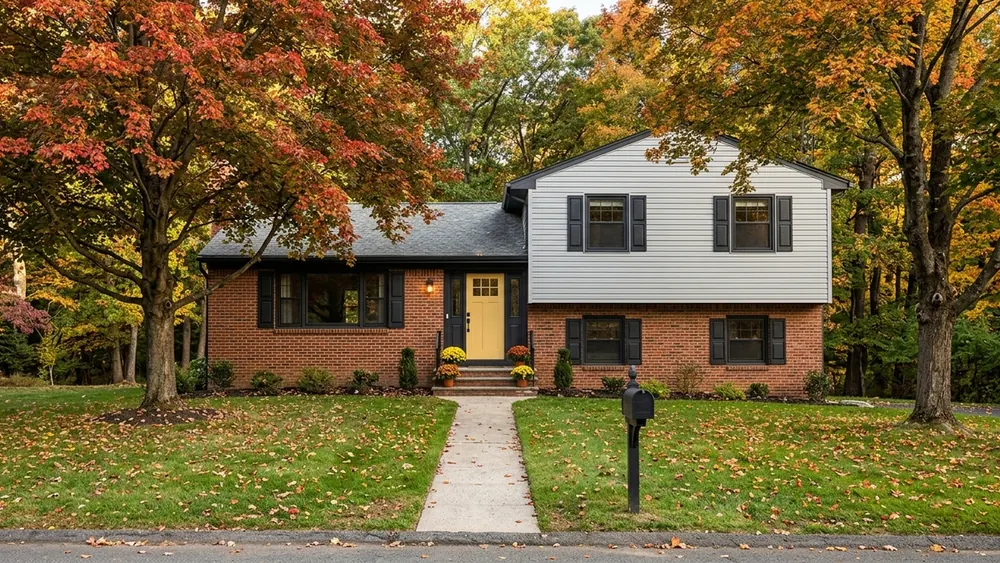
Start with what a buyer and an inspector will notice: major systems, signs of water, the roof, then visible wear. Fix what changes how your home compares, gather records for past work, and think twice before large remodels a comparison may not reward.
On this page
The short answer on preparing an older home
Before listing an older split-level, focus first on the items a buyer and a licensed home inspector are most likely to question: the roof, the heating and cooling system, signs of water in the lower level, and anything that is not working. Then handle visible wear that makes the home look less cared for than it is. Large remodels come last, if at all, and only when a comparison suggests buyers will recognize them in what they offer.
This order matters because buyers compare your home with the others they can see at the same time. An older split-level competes with newer homes and with other split-levels that may have been updated. The repairs that change how your home compares deserve more attention than the ones that simply feel overdue. Spending on the wrong item can use up time and money without changing what buyers think the house is worth.
It also matters because older homes carry more unknowns. A buyer looking at a split-level from an earlier era will wonder about systems, updates and the condition of the lower level. Answering those questions before listing, with repairs where they make sense and records where the work is already done, tends to make the conversation steadier. It does not guarantee anything. It simply removes guesswork from both sides of the table.
How a buyer looks at a split-level
A split-level has its own layout logic, and buyers notice it quickly. Short flights of stairs connect the levels, the lower level often sits partly below grade, and the kitchen and living areas are usually on the main level. Buyers tend to judge the home by how well each level works on its own and how the levels connect. If one level feels dated or damp, it can color the whole showing.
That is why the lower level deserves a close look before listing. Buyers will check for musty smells, stains, white mineral marks on walls and other signs of past water. If you have dealt with water before, gather the records. If you are not sure, a licensed home inspector can tell you what they see. Whether and how anything must be disclosed is a question for a New Jersey real estate attorney, never a guess.
The main level is where first impressions form. Kitchens and bathrooms from an earlier era are not automatically a problem, but worn surfaces, failing fixtures and poor lighting make a home feel older than it is. Small, careful updates here often matter more to a buyer than a dramatic change elsewhere. The comparison will show whether updated kitchens are common among similar homes nearby, which helps you decide how far to go.
Repairs, updates and the comparison
There is a difference between a repair and an update. A repair fixes something that is broken or failing, like a leaking fixture or a furnace that will not start. An update replaces something that works but looks dated, like cabinets or flooring. Buyers and inspectors weigh repairs heavily because they signal cost after closing. Updates are a matter of taste and comparison, and they deserve a more careful cost question.
This is where a comparative market analysis helps. A comparative market analysis studies recent sales of homes similar to yours in size, age, lot, condition and location, then adjusts for the differences. If similar older split-levels sold without new kitchens, a full kitchen remodel may not show up in your price. If most comparable homes had updated bathrooms, a modest refresh may help yours compare fairly. The comparison guides the spending.
Be wary of spending to match a newer colonial. An older split-level is compared with homes like itself, not with the newest homes in the area. Trying to close that gap with a large renovation can cost more than buyers will recognize. It usually makes more sense to present the home as a well-kept example of what it is, with its updates documented and its condition clear to anyone who walks through it.
Items worth checking before you list
Before deciding on any project, walk through the house with fresh eyes, as a buyer would. Even more useful, consider a pre-listing inspection by a licensed home inspector, so you learn about issues on your own schedule rather than in the middle of a negotiation. Ask the inspector what they would flag first and why. These are the areas most buyers and inspectors look at closely in an older home.
- Roof age and condition, including flashing, gutters and any visible patching
- Heating, cooling and water heater age, with service records if you have them
- Lower level moisture, grading around the house and how water drains away
- Electrical panel, outlets and any older wiring an inspector may question
Not every item on that list needs a fix. Some just need an answer. If the roof has useful life left, a record of its installation can be enough. If the heating system is older but serviced, the service history speaks for itself. Where an inspector suggests a repair, a contractor can estimate it, and you can decide whether to fix it, price with it in mind, or address it another way after checking with your attorney.
Questions to sort out, and who answers them
Many of the questions that come up before listing an older home belong to someone other than the agent. Sorting out who answers what saves time and avoids guesses that could cause trouble later. Use this table as a starting point, and add your own questions as they come up during preparation. Keep each answer with the date and the name of the person who gave it.
| Question | Why it matters | Who to ask |
|---|---|---|
| What does an inspector see in this house? | Surprises are easier to handle before listing | A licensed home inspector |
| Were past projects done with permits? | Buyers and their attorneys may ask for records | Your township offices |
| What should I tell buyers about known issues? | Disclosure questions carry legal weight | A New Jersey real estate attorney |
| Which updates do comparable homes have? | Shows which projects buyers may recognize | Debbie, through a comparative market analysis |
| Do roof or system conditions affect coverage? | Some conditions matter to insurers and buyers | Your insurance agent |
Keep notes from each conversation in one place. When you sit down to set a price, you will want the inspector’s observations, any repair estimates, your permit and service records and your attorney’s guidance together. That collection becomes the factual picture of your home, and it helps everyone involved, including the buyers who eventually walk through, see the house clearly and ask sharper questions.
Presentation that costs little and matters
Some of the most useful preparation costs little. Clearing clutter makes each level read larger and makes the split-level layout easier to understand. Fresh paint in neutral colors covers wear without asking a buyer to accept your taste. Replacing burned-out bulbs, tightening loose hardware and fixing sticking doors tell a buyer the house has been looked after. None of these change the house itself, but they change how it is seen.
Outside matters too. Trim back overgrown plants, clean the gutters and make sure the path to the front door is clear and well lit. Look at the house from the street and from the yard, the way listing photos will show it. If water pools near the foundation after rain, mention it to your inspector, because grading can affect the lower level. Small fixes outside often support what buyers see inside.
Your next step before listing
Before your first conversation about listing, gather what you already know about the house. A short written record helps more than memory, and it gives everyone the same starting point. It also makes it easier to see which projects are true repairs and which are optional updates. These are the things worth collecting first, even if some of them take a little digging to find.
- A list of updates with approximate dates, from roof to kitchen to windows
- Service records for heating, cooling, the water heater and any sump pump
- Permits, warranties and receipts for major repairs or additions
- Notes on anything you know needs attention, even if you plan no repair
Then bring that list to Debbie. You can walk through the house together, look at how similar older split-levels have compared, and decide which projects make sense and which can be left alone. The goal is a clear plan built from the right comparisons, not a renovation for its own sake. Which part of your home do you think a buyer will ask about first?
This article is general information about buying and selling homes in Mount Olive Township and northern New Jersey. It is not legal, tax, lending, appraisal or inspection advice and does not predict prices or promise results. Confirm taxes, schools and boundaries with Mount Olive Township and Morris County, contracts and closing with a New Jersey real estate attorney, loans and closing cost amounts with a licensed lender, and condition with a licensed home inspector. Debbie McIntosh, Weichert, Realtors.

Written by